
E-commerce Growth 2026: Scale Stores & Sales

E-commerce has become one of the most competitive and fast-evolving industries in the digital world. With millions of online stores competing for attention, simply launching a product is no longer enough. Success today depends on how well a business can attract traffic, convert visitors into customers, and retain them over time.
In 2026, e-commerce growth is no longer driven only by advertising. It is driven by data, personalization, automation, and customer experience. Businesses that understand these elements are scaling rapidly, while others struggle to survive in an increasingly crowded market.
This guide breaks down everything you need to know about e-commerce growth, including traffic generation, conversion optimization, customer retention, AI integration, and long-term scaling strategies.
What Is E-commerce Growth?
E-commerce growth refers to the process of increasing online store performance across multiple areas such as:
- Traffic acquisition
- Conversion rates
- Average order value
- Customer lifetime value
- Repeat purchases
- Brand awareness
Growth is not only about increasing sales — it is about building a sustainable system that consistently generates revenue.
Successful e-commerce businesses focus on three key pillars: Traffic, Conversion, and Retention. Without all three, growth becomes unstable.
Why E-commerce Growth Is More Competitive Than Ever
The rise of platforms like Shopify, WooCommerce, Amazon, and TikTok Shop has made it easier than ever to start an online store. However, this accessibility has also increased competition significantly.
Today, consumers have more options, more price comparisons, higher expectations, and lower attention spans. This means businesses must work harder to stand out and deliver value.
Successful e-commerce brands focus on strong branding, emotional connection, seamless user experience, and fast delivery of value.
The E-commerce Growth Framework
To scale an e-commerce business effectively, you need a structured approach.
1. Traffic Acquisition
Traffic is the foundation of any online business. Main traffic sources include:
- Paid advertising (Meta Ads, Google Ads, TikTok Ads)
- Organic social media
- SEO
- Influencer marketing
- Email marketing
- Referral traffic
Each channel serves a different purpose in the customer journey.
2. Conversion Optimization
Driving traffic is not enough. You must convert visitors into buyers. Key conversion factors:
- Product page quality
- Pricing strategy
- Trust signals
- User experience
- Mobile optimization
- Checkout simplicity
Even small improvements in conversion rate can significantly increase revenue.
3. Customer Retention
Retention is often the most overlooked part of e-commerce growth. Retaining customers is cheaper than acquiring new ones. Retention strategies include:
- Email automation
- Loyalty programs
- Personalized offers
- Post-purchase engagement
- Remarketing campaigns
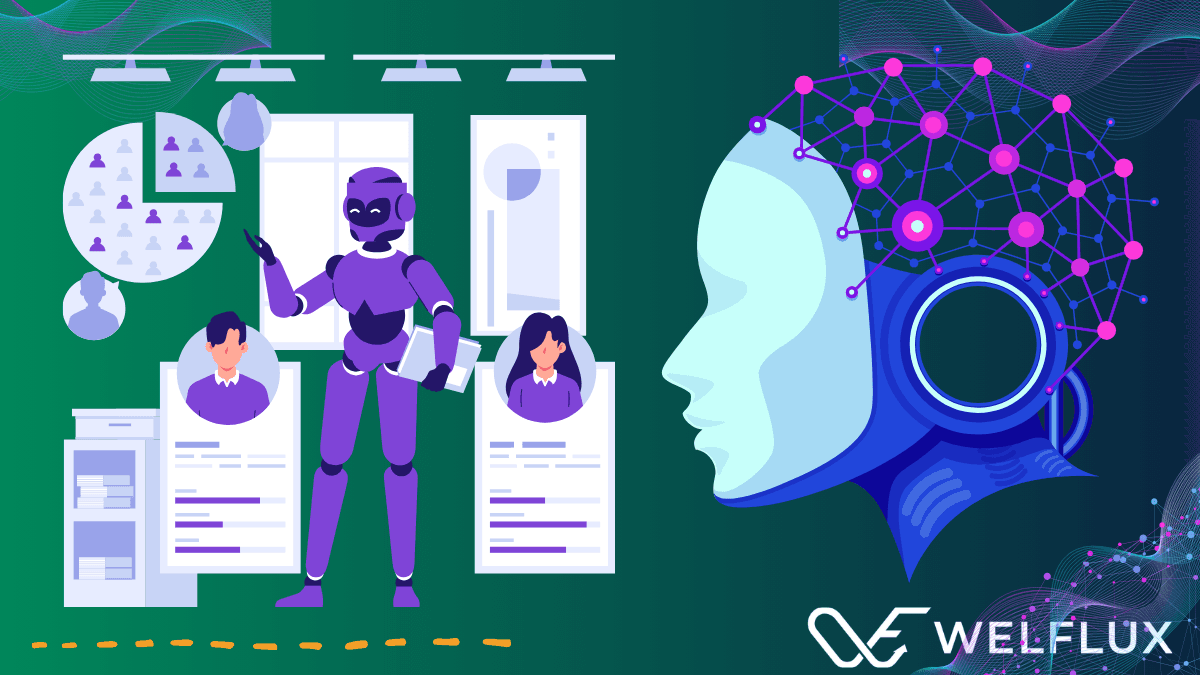
The Role of AI in E-commerce Growth
Artificial Intelligence is transforming how e-commerce businesses operate. AI helps with:
Product Recommendations
AI systems analyze customer behavior to suggest relevant products, increasing upsells, cross-sells, and repeat purchases.
Dynamic Pricing
AI can adjust pricing based on demand, competition, and customer behavior.
Customer Behavior Analysis
AI tracks how users interact with your store and identifies drop-off points, high-performing products, and buying patterns.
Automated Marketing
AI can generate product descriptions, ad creatives, email campaigns, and social media content. This reduces workload while improving output consistency.
E-commerce Traffic Strategies That Actually Work
Paid Advertising
Paid ads remain the fastest way to scale. Best platforms: TikTok Ads (viral potential), Facebook Ads (targeting precision), Google Ads (intent-based traffic).
Organic Social Media
Organic growth builds long-term brand value. Platforms include TikTok, Instagram Reels, and YouTube Shorts.
SEO for E-commerce
SEO helps generate free long-term traffic through product pages, blog content, and category pages.
Conversion Optimization Strategies
1. High-Quality Product Pages
A strong product page includes clear images, strong product descriptions, benefits-focused copy, and customer reviews.
2. Trust Signals
Trust increases conversions significantly. Examples: secure payment badges, money-back guarantees, and customer testimonials.
3. Simplified Checkout
Every additional step in checkout reduces conversions. Best practice: fewer form fields, guest checkout option, and fast payment methods.
Increasing Average Order Value (AOV)
Increasing AOV is one of the fastest ways to grow revenue. Strategies include:
- Product bundles
- Upselling complementary products
- Free shipping thresholds
- Limited-time offers
Customer Retention Strategies
Email Marketing Automation
Email remains one of the highest ROI channels. Types of emails: welcome emails, abandoned cart recovery, post-purchase follow-ups, and promotional campaigns.
Loyalty Programs
Reward repeat customers with discounts, exclusive offers, and early access to products.
Remarketing Campaigns
Target users who visited product pages, added to cart, or did not complete purchase.
E-commerce Growth Mistakes to Avoid
1. Focusing Only on Traffic
Traffic without conversion systems leads to wasted ad spend.
2. Ignoring Mobile Optimization
Most e-commerce traffic is mobile-based.
3. Weak Branding
Without strong branding, customers do not trust your store.
4. No Retention Strategy
Acquiring customers is expensive — losing them is even worse.
AI-Powered E-commerce Growth Strategy
Modern e-commerce brands use AI to:
- Predict product demand
- Generate ad creatives
- Optimize pricing
- Personalize customer experiences
- Improve targeting accuracy
This creates a significant advantage over traditional stores. Tools like WELFLUX fit directly into this ecosystem by helping businesses generate product copy instantly, create TikTok ad scripts, produce SEO descriptions for Shopify, build Amazon listing content, and generate conversion-focused marketing assets. This reduces dependency on manual copywriting and speeds up store scaling.
Global E-commerce Growth Trends
United States
Highly competitive market with strong adoption of AI and automation.
United Kingdom
Strong focus on branding, lifestyle products, and premium positioning.
Europe
Diverse market requiring localization and multi-language strategies.
South Africa
Fast-growing e-commerce adoption with increasing mobile-first shopping behavior.
Future of E-commerce Growth
The future of e-commerce will be shaped by:
- AI-driven personalization
- Automated marketing systems
- Voice and visual search
- Social commerce (TikTok Shop, Instagram Shop)
- Hyper-personalized shopping experiences
Businesses that adopt these trends early will gain a strong competitive advantage.
FAQs
What is e-commerce growth?
E-commerce growth refers to increasing online store revenue through traffic, conversions, and customer retention.
What is the most important factor in e-commerce success?
Conversion optimization is often more important than traffic alone.
How can small businesses grow in e-commerce?
By focusing on niche products, strong branding, and targeted marketing strategies.
Is AI important for e-commerce growth?
Yes, AI improves efficiency, personalization, and marketing performance.
Which platform is best for e-commerce growth?
It depends on the business, but Shopify, Amazon, and TikTok Shop are currently dominant.
Conclusion
E-commerce growth in 2026 is no longer about simply launching a store — it is about building a complete ecosystem that combines traffic generation, conversion optimization, and customer retention. Businesses that adopt AI, focus on data-driven decisions, and optimize every stage of the customer journey will scale significantly faster than competitors.
Sustainable growth comes from systems, not luck — and the brands that understand this will dominate the future of online commerce.
Written by
The WELFLUX Team
AI Marketing Engine